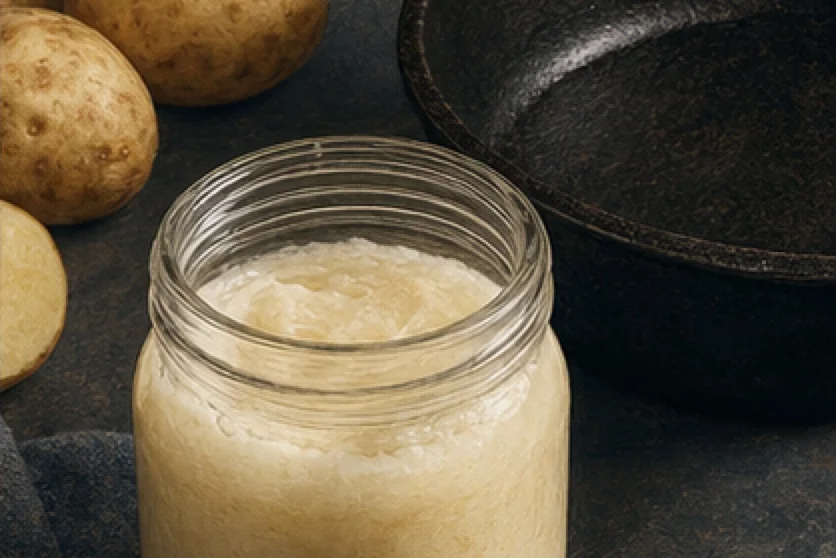
Buy Wagyu beef tallow by the ingredient label and price per ounce, not the word “Wagyu” alone. Snake River Farms had the lowest current price in this group at $0.60 per ounce during its sale. South Chicago Packing’s 42-ounce tub was the best bulk value at $0.79 per ounce. A spray costs more but gives better portion control.
Affiliate disclosure: Hats of Meat may earn a commission from certain links. That never changes our research, unit-cost math, or verdict. Figures and package sizes were checked on July 16, 2026.
Quick price comparison
- Snake River Farms jar: 30 ounces, $18 on sale, about $0.60 per ounce.
- South Chicago Packing tub: 42 ounces, $32.99, about $0.79 per ounce.
- Fatworks American Wagyu jar: 14 ounces, $18.25, about $1.30 per ounce.
- South Chicago Packing glass jar: 11.5 ounces, $16.99, about $1.48 per ounce.
- South Chicago Packing spray: 7 ounces, $14.99, about $2.14 per ounce.
The math uses the listed net weight, not the size of the container. Sales can end. Shipping and tax are not included. We did not buy, taste, or cook with these products for this review.
What beef tallow is—and what “Wagyu” proves
Beef tallow is fat that has been slowly melted, filtered, and cooled. That process is called rendering. At room temperature, clean tallow is usually firm or soft like butter, depending on the room and the fat source. Cooks use tallow for pan searing, roasting, frying, and seasoning cast iron. It can add a mild beef flavor and a crisp surface. Flavor varies by producer, rendering method, age, and storage. A pale color does not prove a higher grade or better cattle.
Tallow is still a concentrated cooking fat. We do not treat it as a cure, supplement, or health food. Its useful traits are culinary: texture, flavor, and performance in a hot pan.
Wagyu beef tallow can taste mild or rich, but Wagyu tallow does not guarantee great flavor or great quality. Rendering, filtering, age, and storage shape the result. Compared with lard, vegetable oils, or hydrogenated oils, this cooking fat has its own texture and beef note. Lard can be softer, while lard from different animals can taste different. The useful review question is whether that rich taste fits the dish—not whether one label says it is amazing.
Home cooks can use Wagyu beef tallow on the stove for fried eggs, burgers, brisket, and crispy potatoes. French fries and other fried potatoes need careful temperature control; a few extra minutes can change a pale batch into a deep brown one. Use a thin layer for veggies, or sear meat without masking a juicy center. For everyday eating, start small and decide whether the flavor earns a place beside butter and neutral oil.
Wagyu refers to Japanese cattle breeds and the beef tied to them. In U.S. retail copy, “Wagyu” can describe Japanese beef, American fullblood cattle, purebred cattle, or crossbred cattle. The word on a jar does not prove country, breed share, USDA grade, marbling score, or a single farm.
Rendered fat is also different from a steak. USDA Prime, Japanese A5, and a beef marbling score describe carcasses or cuts under specific systems. They do not automatically transfer to a jar of cooking fat. A tallow label should name the ingredient and, when possible, origin or producer.
Snake River Farms identifies its 30-ounce product as American Wagyu beef fat. Fatworks lists “Wagyu Beef Fat” as the ingredient in its 14-ounce jar. South Chicago Packing markets its jars, tubs, and sprays as Wagyu beef tallow and states a one-ingredient formula. Those are seller statements. None of the pages we checked displayed a cut-level grade for the rendered fat.
1. Snake River Farms: best price per ounce
Price: $18 sale; $20 regular
Size: 30 ounces
Listed ingredient: American Wagyu beef fat
Best for: A first jar with strong sale value On sale, this jar costs $0.60 per ounce. The regular cost works out near $0.67 per ounce, still lower than the other listed options. Snake River Farms suggests frying, searing, roasting, baking, and sous vide use.
The product page calls the tallow shelf stable. We still favor a cool, dark cabinet and a clean utensil. Refrigeration is a cautious choice when a jar will take months to finish. Good: Low unit cost, large jar, clear American Wagyu wording.
Watch: The sale can change; no cut grade is stated for the fat.
2. South Chicago Packing 42-ounce tub: best bulk value
Price: $32.99
Size: 42 ounces
Listed ingredient: Beef tallow under the maker’s Wagyu line
Best for: Frequent frying and larger households The tub costs about $0.79 per ounce. That is much less than the brand’s smaller glass jar and spray. The wide container makes it easy to scoop a measured spoonful into a fryer, roasting pan, or skillet.
South Chicago Packing gives the tub a stated 12-month shelf life and says refrigeration or freezing can extend storage. Its current tallow sizes and costs also show how much the format changes unit value. Good: Strong bulk value and easy scooping.
Watch: A 42-ounce tub is wasteful if tallow is an occasional ingredient.
3. Fatworks American Wagyu Tallow: best small jar with a plain label
Price: $18.25
Size: 14 ounces
Listed ingredient: Wagyu beef fat
Best for: Buyers who want a compact jar and short ingredient list Fatworks costs about $1.30 per ounce. The company says it renders in small batches at a low temperature. That is a process claim, not a flavor test. The ingredient line is direct and the 14-ounce jar is easier to finish than a bulk tub.
The brand also sells a non-Wagyu grass-fed beef tallow at the same listed cost and size. That makes a useful choice: pick the label detail you care about rather than assuming the Wagyu jar must perform better. Good: One named ingredient and practical size.
Watch: Costs more than twice the current Snake River Farms sale cost per ounce.
4. South Chicago Packing glass jar: best small resealable choice
Price: $16.99
Size: 11.5 ounces
Unit cost: About $1.48 per ounce
Best for: Occasional steak searing and roasting The glass jar costs more per ounce than the brand’s tub, but it asks for less cabinet space and cash. A screw lid also makes storage clear. Use a clean, dry spoon so water and food bits do not enter the fat.
This is the practical size for a cook who wants tallow for a few steaks or trays of potatoes rather than a deep fryer. The unit cost is the tradeoff. Good: Resealable glass and modest size.
Watch: Nearly twice the unit cost of the bulk tub.
5. South Chicago Packing spray: best portion control
Price: $14.99
Size: 7 ounces
Unit cost: About $2.14 per ounce
Best for: Grill grates, air fryers, and thin pan coatings The spray is the most expensive choice by weight. It earns a place because it can coat a surface without a spoon or a cold lump of fat. That is handy for a grill grate, a sheet pan, or an air-fryer basket.
The maker gives the spray a stated 24-month shelf life, longer than its jar and tub. A can is harder to inspect than a clear jar, and propellant or package details should be checked on the label in hand. Good: Fast, thin coverage and long stated shelf life.
Watch: Highest unit cost and less visual access to the fat.
Jar, spray, or whipped tallow?
Jarred tallow gives the clearest view of color and texture. It is easy to measure by spoon or weight and simple to reseal. A jar is the best default for a home cook.
Tallow spray is faster for a thin coating. It also costs more per ounce and offers less control over package waste. Compare the ingredient statement and net weight, not the can’s height. Whipped tallow is sold by some makers as a soft spread. Air changes volume, so compare net food weight. A whipped texture can be pleasant on bread or easy to portion, but it is not proof of purity, breed, or grade. Jar size changes cooking performance more than it changes quality. Product quality still depends on clean rendering, a sound seal, and careful storage.
Best ways to cook with tallow
Sear a steak. Pat the steak dry and add a thin film of tallow to a hot pan. The fat helps the surface make even contact with cast iron or steel. Use enough to coat, not enough to float the meat. Add butter and herbs late if wanted, since butter solids brown faster. Tallow smoke point claims vary. South Chicago Packing gives a broad range near 350°F to 400°F depending on method, while Fatworks lists 375°F for its grass-fed tallow. Treat visible smoke and burnt odor as a sign to lower the heat.
Roast potatoes and vegetables. Warm the tallow so it coats evenly, then toss with dry potato pieces and salt. A thin layer supports browning without leaving a greasy pool. Turn the pieces once the first side releases from the pan. Carrots, onions, cabbage, and mushrooms also pair well with a mild beef flavor. Neutral salt and a little acid at the table keep the result from feeling heavy.
Fry potatoes twice. For crisp fries, rinse cut potatoes, dry them well, and cook in small batches. A first fry near 325°F cooks the center. Let the fries rest, then fry again near 375°F until browned. Time in minutes changes with thickness, so watch color and texture. Fried potatoes turn crispy when surface water is gone; roasted potatoes need the same dry start. Wet potatoes can make hot fat spit, so drying is not optional. Cool used tallow, strain out crumbs, label the container, and refrigerate it. Discard it if it smells sharp, sour, paint-like, or burnt. Very dark fat and heavy foaming are also reasons to stop reusing it.
How to render beef tallow at home
Start with clean beef fat from a butcher. Trim away meat and blood spots, cut the fat small, and place it in a heavy pot or covered baking dish. Warm it gently, around 225°F to 250°F, until liquid fat separates and the solid pieces shrink.
Do not rush the rendering with high heat. Brown bits can add a roasted flavor, but they also shorten the range of dishes where the tallow feels at home. Strain the hot liquid through a fine metal sieve and then through cheesecloth if a cleaner result is wanted. Keep water away from the storage jar.
Cool the tallow promptly in clean containers. Label the render date and refrigerate it. Freeze smaller portions when you will not use the batch soon. Home-rendered tallow has no tested commercial shelf-life claim, so smell and appearance matter.
Label and buying checklist
- Review the exact ingredient line and any “healthy” or effectiveness claim.
- Review country, breed share, farm, and producer details; customer feedback can guide questions, not prove facts.
- Do not treat “Wagyu” as proof of grade or Japanese origin.
- Review net ounces and price data, then decide how much money the format is worth.
- Review the regular amount, subscription box, account setting, and total at checkout.
- Match the ounce count to use; a larger tub can save money only when it gets used.
- Review the lid, seal, storage advice, user comments, and best-by date; ignore unrelated ads.
Where can you buy beef tallow? Butchers, grocery meat counters, farm shops, and online beef sellers may carry it. Ask whether a local product is rendered from suet—the firm fat around the kidneys—or mixed trim. Neither answer alone proves quality, but it tells you more than a blank label. If a product page has a problem loading, try refreshing the page once. A “problem loading this website” message is not a reason to enter payment twice. If the site still doesn’t load, wait or shop elsewhere.
Storage and food safety
Follow the maker’s label first. Store sealed commercial tallow in a cool, dry, dark place if the package allows pantry storage. Store an opened jar in the refrigerator when the kitchen is warm or use is slow. Store the spray away from heat and store each container upright. Keep the lid and rim clean. The USDA refrigeration guidance stresses cold storage at 40°F or below for perishable food. Tallow is mostly fat, but water or crumbs from a wet spoon can change its storage risk. Store long-term portions and home-rendered batches in the freezer; store them with a clear date.
Rancid tallow may smell sour, bitter, stale, or like paint. Mold, water pockets, gas, or an odd color change are clear reasons to discard the jar. Do not taste a questionable batch to test it.
Our verdict
Wagyu beef tallow from Snake River Farms offers the lowest current cost per ounce in this set. South Chicago Packing’s 42-ounce tub is the better steady-use value when the sale ends. Fatworks makes sense for a compact jar with a plain ingredient line. The spray is a convenience tool, not a bargain. Start with a jar unless a spray or bulk tub solves a clear problem. The best Wagyu beef tallow is the one with a readable label, a useful size, and a cost you can compare.
See our meat subscription comparison for cuts to pair with tallow, or use a wireless meat thermometer to track a thick roast.
Frequently asked questions
Does Wagyu tallow have a lower smoke point?
Not by definition. Smoke point changes with filtering, age, and small food particles. Published seller figures vary. Watch the pan and lower the heat when the fat smokes heavily.
Can color prove that tallow is pure?
No. Clean tallow is often pale when cool, but color changes with feed, rendering, and age. The ingredient label, seller detail, seal, smell, and storage history are better clues. A home visual check cannot prove breed or purity.
Is Wagyu tallow keto or paleo?
Tallow is rendered animal fat. Whether it fits a named eating plan depends on that plan’s rules and your needs. Eating habits vary, and eating more tallow is not a health goal. The label does not turn it into a health treatment, and this buying guide does not give medical or nutrition advice.
About the research. Hats of Meat checked seller pages, package weights, ingredient wording, storage claims, costs, and use directions on July 16, 2026. Per-ounce figures were rounded to the nearest cent. No product was bought or tasted.