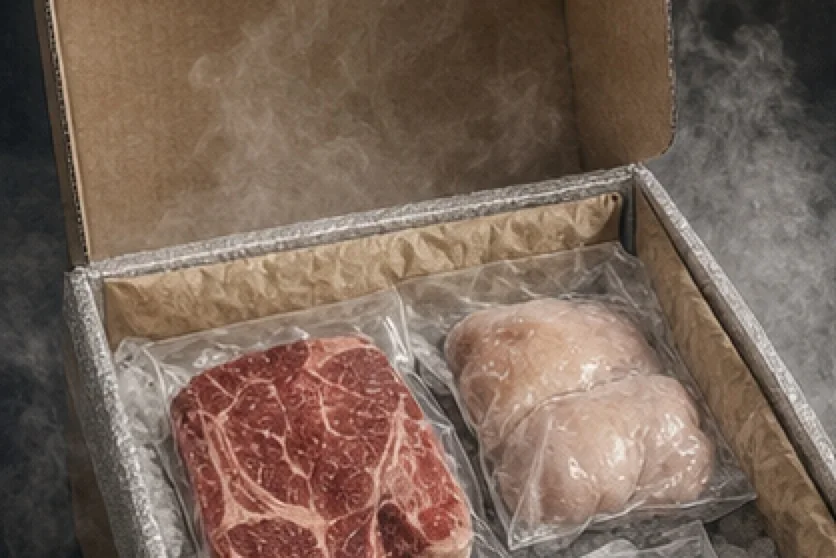
A good meat subscription should solve a real problem: fewer rushed grocery trips, a steadier freezer supply, or access to cuts that are hard to find nearby. ButcherBox is our best all-around pick for broad choice and a simple schedule. Good Ranchers is the better fit when U.S. sourcing and graded beef matter most. Porter Road stands out for smaller, butcher-led boxes.
Affiliate disclosure: Hats of Meat may earn a commission if you buy through certain links. That never changes our research, rankings, or price. Prices and offers were checked on July 16, 2026.
Quick verdict for high-quality meat buyers
| Best for | Our pick | Why it stands out |
|---|---|---|
| Most households | ButcherBox | Wide range, flexible cadence, and free shipping |
| U.S.-sourced beef | Good Ranchers | Clear domestic-sourcing claim and graded beef |
| Butcher-led cuts | Porter Road | Smaller boxes and clear cut lists |
| Build-your-own variety | Crowd Cow | Easy item swaps and farm details |
| Large mixed boxes | Good Chop | Meat and seafood in one custom box |
| Pasture-raised focus | Wild Pastures | Simple sourcing message and member pricing |
| Small-farm mission | Moink | Curated meat and wild-caught fish from U.S. farms |
Our picks come from current plan pages, sourcing statements, shipping terms, cancellation rules, and common buyer concerns. We did not order or taste these boxes. A seller’s sourcing claim is treated as a claim unless a named certification or public record backs it.
1. ButcherBox: best box service for most households
Current price: From $179 per shipment
Delivery cycle: Every 2, 4, 6, or 8 weeks
Best for: Buyers who want a large menu and few shipping surprises
ButcherBox offers three build-your-own sizes. The medium box costs $179 and lets members choose six items, with a stated maximum weight of 21 pounds. The large box costs $249 for nine picks and up to 31 pounds. The extra-large box costs $319 for 12 picks and up to 42 pounds. Those are maximum weights, not promises, so cost per pound changes with the cuts you select.
The menu can include beef, chicken, pork, and seafood. The company markets its beef as grass-fed and grass-finished and offers wild-caught seafood. Its plan page also states that shipping is included. Members can pause or cancel, and changes are due by 11:59 p.m. Eastern on the day before billing.
That mix makes ButcherBox the easiest default choice. It is less appealing if you want a named farm for every cut or only U.S.-raised beef. Check the current ButcherBox plan choices before you pay, since promotions and item counts can move.
Good: Broad menu, four delivery intervals, no added shipping fee.
Watch: “Up to” box weights make exact value hard to predict.
2. Good Ranchers: best for U.S.-sourced, graded beef
Current price: Build-your-own boxes start at $179
Delivery cycle: Set during checkout; members can skip or delay
Best for: Buyers who put domestic sourcing first
Good Ranchers says its meat comes from independent U.S. farms and that its beef is USDA Upper Choice or higher. The company also says beef is aged for at least 21 days. Those are useful details for a buyer who cares about grade and origin, though “Upper Choice” is an industry phrase rather than a separate USDA grade.
Its subscription offer includes free express shipping, a recurring discount, and a rotating free-protein offer. The box arrives frozen with dry ice and insulation. Members may skip, delay, or cancel before an order is processed. Once billing happens, a cancellation applies to a later shipment.
Good Ranchers beats ButcherBox on the clarity of its U.S.-sourcing promise. ButcherBox wins for delivery-cycle choices and seafood range. If you mainly want steak, ground beef, and chicken with a domestic story, Good Ranchers is the sharper fit. Review the current Good Ranchers trial and renewal terms before checkout.
Good: U.S.-sourcing claim, graded beef, free express shipping.
Watch: Recurring discounts and free items can make the real base price hard to see.
3. Porter Road: best for butcher-led cuts
Current price: $75 to $210 for listed subscription boxes
Delivery cycle: Every 2, 4, or 8 weeks
Best for: Smaller households and buyers who care about the cut list
Porter Road names each box by use. The $75 Basics box is listed near $19 per pound. The $130 Weeknight box is listed near $12 per pound. The $188 Dry Aged box climbs to about $27 per pound. A Grilling box, Beef and Pork Basics box, Butcher’s Choice box, and Best of Porter Road box fill the middle.
That plain cut-by-cut setup is refreshing. It is easier to judge whether the food fits your cooking than it is with a mystery box. Members can skip, cancel, or change their schedule. Shipping rules vary by order value, so a low-priced box may not have the same delivered value as a larger plan with shipping included.
Porter Road is our pick for a two-person home that wants useful cuts instead of the heaviest possible shipment. It is also a strong choice for dry-aged beef. The tradeoff is price: premium boxes can cost much more per pound than a large mixed box.
Good: Clear box themes, small starting size, dry-aged choice.
Watch: Shipping and premium cuts can lift the delivered cost.
4. Crowd Cow: best build-your-own meat box
Current price: Changes with the cuts selected
Delivery cycle: Every 2, 4, 6, or 8 weeks
Best for: Buyers who want to swap products often
Crowd Cow treats the subscription as a standing custom order. Members choose cuts, swap items, pause, or skip a shipment. There is no separate membership fee. Recurring orders over $149 qualify for free shipping under the current terms.
The product pages name farms or producers more often than most broad meat delivery services. The menu may include everyday ground beef, premium steaks, seafood, and Wagyu beef. That range is fun, but it also makes spending easy. A box filled with Japanese or American Wagyu can cost far more than a box of chicken and ground beef.
Choose Crowd Cow when control matters more than a fixed monthly total. It also suits gift buyers who want one special steak mixed into a practical order. Buyers who want a set price with no decisions may prefer ButcherBox or a fixed Porter Road plan.
Good: High item control, producer details, premium-cut access.
Watch: No fixed box price; free shipping has an order threshold.
5. Good Chop: best large custom box
Current price: Shown after box-size selection
Delivery cycle: Every 4, 6, or 8 weeks
Best for: Families who want meat and seafood in one larger delivery
Good Chop sells fully custom boxes with beef, pork, poultry, and seafood. The company says its food comes from U.S. farms and fisheries. Members can skip, reschedule, or cancel, and the site promotes a satisfaction guarantee.
The strength is volume with choice. A family can add ground meat, chicken, steaks, and fish without accepting a preset mix. The weakness is price clarity. The public landing page does not keep a stable price chart in plain view, so shoppers need to start the box builder to see the current total and serving count.
Good Chop is worth checking when freezer space is ample and several people eat from the box. A smaller home may waste less food with Porter Road’s Basics box or a six-item ButcherBox plan.
Good: Full customization, mixed proteins, flexible delivery weeks.
Watch: Current price takes more work to confirm.
6. Wild Pastures: best for a pasture-raised focus
Current price: Based on box size and membership level
Delivery cycle: Chosen by the member
Best for: Buyers drawn to grass-fed beef and pasture-raised meat
Wild Pastures says its beef is 100% grass-fed and grass-finished and its meat comes from small U.S. family farms. Its Plus membership advertises 12% off and free shipping. Members can choose a schedule and skip or cancel.
The sourcing message is clear, but the checkout path matters. Compare the food total, membership terms, and shipment size as one cost. “Free shipping” has little meaning if a paid membership or minimum box pushes the yearly spend higher than expected.
Wild Pastures fits a buyer who values a pasture-based claim and expects regular deliveries. It is not our first choice for a one-time steak gift or someone who wants USDA grade details for each beef cut.
Good: Focused sourcing story, schedule control, member discount.
Watch: Compare membership and food costs together.
7. Moink: best small-farm mission
Current price: Box collection listed up to $129 when checked
Delivery cycle: Monthly lineup with account changes before shipment
Best for: Buyers who want a curated mix from U.S. family farms
Moink offers beef, pork, chicken, and wild-caught fish. The company says it works with American family farms and favors regenerative and pasture-based methods. Members choose from the available monthly lineup rather than building from an endless catalog.
Account changes must be made before 11 p.m. Eastern on the Saturday before shipment. A cancellation made after a charge does not cancel that already billed box. That deadline is easy to miss, so a calendar reminder helps.
Moink’s mission is appealing, and the smaller published price range may suit a modest freezer. The menu and exact value can shift, so read the current cut list before treating it as a set monthly grocery plan.
Good: Curated mixed proteins, family-farm focus, smaller boxes.
Watch: A post-charge cancellation does not stop the coming shipment.
ButcherBox vs. Good Ranchers
| Question | Better choice | Reason |
|---|---|---|
| Widest schedule range | ButcherBox | Four stated delivery intervals |
| U.S.-sourced beef claim | Good Ranchers | Domestic sourcing is central to the offer |
| Seafood choice | ButcherBox | More visible wild-caught seafood choices |
| Grade detail | Good Ranchers | Beef is said to be Upper Choice or higher |
| Price predictability | Tie | Both use promotions and variable cut weights |
| Shipping | Tie | Both state that subscription shipping is included |
ButcherBox wins for most homes because it gives more control over timing and protein type. Good Ranchers wins when U.S. origin and a stated USDA grade outweigh seafood choice. Neither service publishes enough cut-level weight detail to promise the same price per pound in every box.
Plan structure and flexibility: which subscription fits your routine?
A meat delivery subscription service can be curated, custom, or somewhere between the two. Custom plans make sense when your home has firm favorites. ButcherBox, Crowd Cow, and Good Chop let members shape the meat box around cuts they know they will use. That can mean more steaks and ground beef, fewer pork chops, or a steady supply of chicken breasts.
Curated boxes ask you to give up some control. Porter Road and Moink narrow the list for you, which can save time and introduce a less familiar cut. The risk is waste. A bargain price means little if the box includes food no one wants. Read the cut list and portion count, not just the total pounds.
Add-ons matter too. A base box plan may cover weeknight meals, while a Wagyu beef steak, roast, or seafood pack becomes an occasional extra. Crowd Cow has the broadest path from basic meat to premium cuts. ButcherBox also carries wild caught seafood alongside its core meat choices. Good Ranchers leans harder into beef, chicken, and recurring free-protein offers.
Delivery timing should match freezer space. Two-week shipping can work for a large home that cooks daily. Six or eight weeks is often calmer for one or two people. Check whether the service lets you change the date, not just skip a whole order. Also check how early edits lock. A reminder two days before billing can prevent an unwanted box.
Sourcing and product quality: grass-fed beef, grain-finished beef, and Wagyu
Sourcing pages often mix clear facts with broad promises. A country of origin, a named USDA grade, and a named farm can be checked. Words such as “premium,” “responsibly raised,” and “high quality meat” mean less without a stated standard.
Grass fed beef labels deserve a second look. Cattle may eat grass for part of life without being grass-finished. If that distinction matters, look for both words and any named program behind them. The same care applies to grain-finished beef. Grain finishing is not a defect; it often supports the rich marbling many steak buyers want. The useful question is whether the seller tells you what you are buying.
“Wagyu beef” also covers many products. It may refer to Japanese beef, American fullblood cattle, or a crossbreed. Country, breed share, grade, and cut tell you far more than the word Wagyu on its own. A meat subscription box can be a good way to sample premium beef, but a specialist seller may provide more origin detail.
Good Ranchers has the clearest domestic sourcing promise in this group. ButcherBox has the clearer grass fed beef and wild caught seafood story. Crowd Cow does well when its product page names the producer. None of those strengths removes the need to check the label on the food that arrives.
Labels to check before an online meat delivery
An online meat delivery page may use “natural,” “humanely raised,” “antibiotic-free,” or “organic meat” in the same block of copy. These words are not interchangeable. Look for the exact claim on the item, the seal or program behind it, and whether it covers every protein in the curated box. A free range chicken claim does not tell you how the beef was raised. A heritage breed pork claim does not name the breed or farm by itself.
The same rule helps with steak delivery. Grade, cut, weight, and origin are more useful than a general promise of premium meat. For ground beef, check the lean-to-fat ratio and pack size. For pork chops, check bone-in versus boneless and the weight of each chop. Those facts let you compare meat subscription services on dinner value, not mood.
One search quirk is worth clearing up: shoppers often type “Butcher Box,” but the company styles its name as ButcherBox. That spelling choice does not change the plan or product.
Delivery coverage, packaging, and fresh vs. frozen meat
Most nationwide meat delivery services ship frozen food. Frozen delivery is practical: it slows quality loss in transit and lets a member store the box over several weeks. It also creates a cold-chain test. Dry ice should remain or the packs should still feel hard and cold when opened.
Fresh meat delivery sounds better, but it has a shorter clock. A chilled steak that arrives at a safe temperature still needs a prompt plan for cooking or freezing. For a monthly box, frozen vacuum packs are often the more useful format.
Insulation and dry ice are part of the price even when the site calls shipping free. Save the tracking message, bring the box inside soon after arrival, and inspect seals before storage. A seller’s safe-arrival or satisfaction policy should state how fast a problem must be reported and what proof is needed. Photos, the shipping label, and a thermometer reading can help settle a claim.
Customer service, guarantees, and buyer-feedback themes
Cancellation and a damaged-box claim are two different tasks. A “cancel anytime” promise may stop future billing but do nothing about an order that has already been charged. Good Ranchers and Moink both spell out that timing. ButcherBox also sets a cutoff before the bill date. Save the confirmation screen or email whenever you pause or cancel.
A satisfaction guarantee sounds useful, yet the remedy may be a credit, replacement, or refund at the seller’s choice. Read the current policy before a high-value order. If a delivery is late, warm, missing an item, or packed with a broken seal, contact customer service on the arrival day. Keep the food cold while the company reviews the claim.
Buyer feedback is most useful as a list of risks to check, not proof that every box is good or bad. Watch for repeated comments about thawed packs, missed skip dates, cut substitutions, small portions, and slow replies. Then compare those themes with the written delivery and refund policy. One angry review—or one glowing review—cannot predict your order.
Tradeoffs snapshot
- Pick ButcherBox for schedule choice, mixed proteins, and wild caught seafood.
- Pick Good Ranchers for its U.S.-sourced beef claim and stated USDA quality level.
- Pick Porter Road for butcher-selected cuts and smaller box choices.
- Pick Crowd Cow for producer details, premium meat, and frequent item swaps.
- Pick Good Chop for a large custom mix of meat and seafood.
- Pick Wild Pastures for a grass fed beef and pasture-raised focus.
- Pick Moink for a curated box tied to small U.S. farms.
How other favorite meat delivery services compare
Some favorite meat delivery services are built around single orders, not a recurring meat box. Omaha Steaks is easy to consider for gift-ready assortments and broad brand recognition. Snake River Farms suits a buyer seeking a specific American Wagyu steak or roast. Both can make more sense than a subscription for a birthday, holiday, or one special dinner.
Specialty meat delivery services are also better for a precise shopping list. Snake River Farms can suit American Wagyu beef, filet mignon, sirloin steaks, flank steak, or dry aged steaks. Omaha Steaks may fit gifts, hot dogs, and prepared foods. Compare the seafood selection, specialty cuts, prepared sides, and shipping cost across meat delivery services before choosing.
Sourcing terms need proof. Grass finished beef and grain fed beef describe finishing, while crate free pork, pastured chicken, free range chicken breasts, added hormones, humanely raised, and animal welfare claims need program detail. Local farms, small family farms, and family owned farms do not prove meat quality on their own.
An a la carte order also helps when you already know the exact cut and grade you want. You avoid a renewal date and do not need to make room for filler cuts. The price per pound may be higher, and shipping can be harder to spread across a small order.
Use a subscription for routine meals and a specialist for rare cuts. That split keeps the freezer useful while leaving room for something memorable.
Value and pricing: real cost per pound and box value
Start with food you will cook. A cheap box is not a bargain if two cuts sit in the freezer for a year. Write down the proteins your home uses in a normal month, then compare each plan with that list.
For price per pound, divide the food price plus shipping and membership fees by the actual shipment weight. Do not use a stated maximum weight as if it were guaranteed. Run the math again without a first-box coupon. The renewal price is the one that shapes your budget.
Plan flexibility also has value. A four-week schedule may create waste for a small home, while an eight-week plan can cover busy weeks without crowding the freezer. Check the deadline to skip, the billing date, and whether cancellation stops a billed shipment.
Sourcing terms need care. “Grass-fed,” “pasture-raised,” “heritage,” and “Wagyu” do not all describe the same thing, and a brand page may not show a named audit or certification. Look for the country of origin, USDA grade when stated, breed detail, farm names, and any third-party seal that can be checked.
Buying checklist
- Find the renewal price after the first offer ends.
- Divide the delivered total by the actual or minimum stated weight.
- Confirm that the service reaches your ZIP code.
- Read the skip, billing, cancellation, and refund deadlines.
- Check the country of origin and any grade or certification claim.
- Count the portions your home will use before the coming box.
- Leave enough freezer space before the ship date.
Frozen delivery and food safety
Frozen meat should arrive frozen, partly frozen with ice crystals, or at 40°F or colder. Contact the seller at once if a box arrives warm or the package is damaged. Photograph the box, label, and product before discarding anything.
Thaw meat in the refrigerator, in cold water changed every 30 minutes, or in the microwave if it will be cooked right away. Do not thaw it on the counter. The USDA beef safety guide calls for whole beef steaks and roasts to reach 145°F followed by a three-minute rest. Ground beef should reach 160°F.
Final recommendation and buying checklist
ButcherBox is the safest starting point for a first recurring box. Its schedule choices and mixed menu suit more homes. Good Ranchers is the stronger specialist pick for buyers who want a clear U.S.-sourcing promise and graded beef. Porter Road earns our vote for smaller, butcher-led boxes with a plainly listed cut mix.
The best meat delivery subscription is the one you can keep using at full price. For most homes, that means a meat box subscription with a long delivery cycle, clear skip rules, and common cuts. A monthly meat subscription sounds tidy, but food use rarely follows a perfect month. Six- or eight-week timing may fit better.
Treat the first shipment as a test of the service, not just the steak. Was tracking clear? Did the meat delivery box arrive cold? Were weights and cuts close to the listing? Could you change the coming date without contacting support? Those details separate useful meat subscription boxes from a one-time coupon.
Check four things before subscribing: the renewal total, the expected weight, the skip deadline, and the food already in your freezer. A good box should make dinner easier, not create a cold storage puzzle.
For gear that helps protect an expensive delivery, see our wireless meat thermometer picks. If your box includes rich beef fat, our Wagyu beef tallow buying advice explains what the label does and does not prove.
Frequently asked questions
Can you pause or cancel a meat subscription?
All seven services offer a way to skip, pause, change, or cancel, but deadlines differ. Make the change before the stated billing or processing time. A cancellation after billing may apply only to later boxes.
Can you swap pork for another cut?
Build-your-own plans usually let you leave pork out. Curated plans may allow swaps only from a limited list. Check the live box builder before paying if an allergy, diet, or strong preference makes a certain protein a poor fit.
How long does frozen steak last?
Food kept at 0°F stays safe for a long time, but quality falls. Label each pack with the arrival date and use older cuts first. Refrigerator thawing gives the most even result and makes meal timing easier.
Are meat subscriptions cheaper than a grocery store?
Sometimes, but not by default. Large mixed boxes can offer a fair delivered price, while premium steaks cost more. Compare the renewal price per pound with the cuts you actually buy nearby, then add the value of shipping and saved shopping time.
About the research
Hats of Meat compared public plan pages, current prices, box sizes, sourcing statements, delivery terms, and cancellation rules on July 16, 2026. We gave more weight to facts a shopper can check than to broad quality claims. No box was ordered or tasted for this review.